
 English
 Español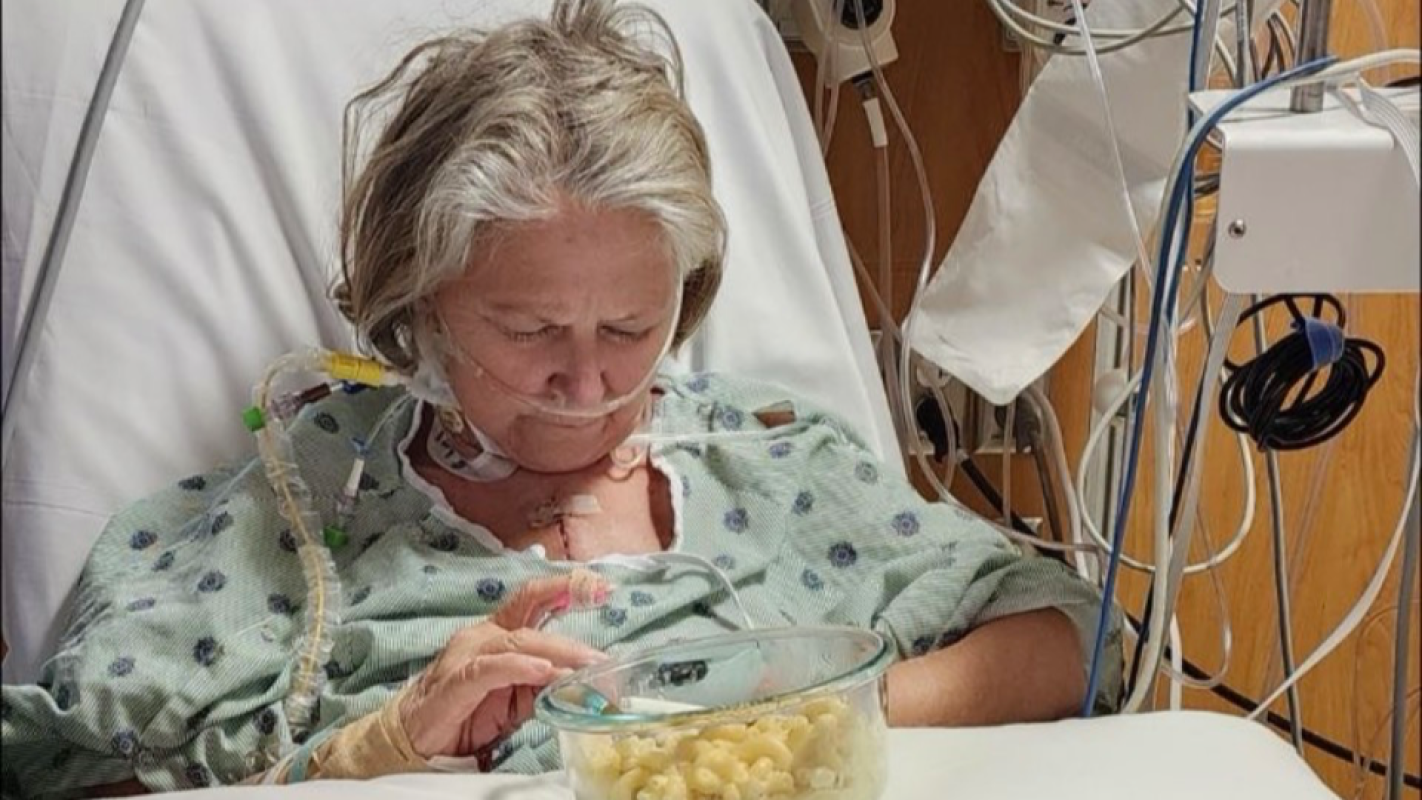
I'm reaching out to you today not with ease, but with necessity. My name is Lorena Hall, and I am living with an LVAD, a Left Ventricular Assist Device, that keeps my heart pumping and keeps me alive. For years, I've managed this complex medical journey with determination and hope, supported by long-term disability from my employer that allowed me to cover my basic needs while focusing on my health. But that safety net has been ripped away, and I'm now facing a crisis I cannot navigate alone.
What Happened: When Safety Nets Fail
My disability insurance company recently discontinued my coverage. This wasn’t because I got better. It wasn't because I no longer needed help. It was a bureaucratic
decision that ended both my disability income and my life insurance in one devastating blow.
To understand the cruelty of this timing, you need to understand my medical reality: I have been classified as terminal due to a rare condition that makes me ineligible for a heart transplant. This isn't a new diagnosis, but it means my pathway to recovery is closed. The LVAD isn't a bridge to transplant for me it's my permanent lifeline. And now, without income, I'm struggling to maintain the very basics that keep that lifeline functioning.
This is the reality for too many Americans living with LVADs. The devices require intensive management, constant medication, and stable living conditions yet the systems designed to support us often fail precisely when we need them most
What an LVAD Means:
Life Support, Not Just a Device
An LVAD is a mechanical pump surgically implanted to assist the heart's left ventricle in pumping blood to the rest of the body. It's used for patients with end-stage heart failure when the heart is too weak to work on its own. For me, it's not optional equipment it's survival technology.
Living with an LVAD means:
- Constant power supply: I'm always connected to batteries or a wall unit. If the power goes out and I can't pay the electric bill, my life is literally at risk.
- Daily medications: Blood thinners, heart medications, antibiotics, and drugs to prevent clot formation in the device. Missing doses isn't an option-it leads to stroke, device failure, or death.
- Medical monitoring: Regular check-ups, lab work, and emergency preparedness. The device requires specialized care that I cannot access if I'm homeless or without transportation.
- Dietary and lifestyle restrictions: Specific nutritional needs that cost more than standard groceries.
Without financial stability, managing these requirements becomes impossible. And impossible, for me, means fatal.
How Your Support Will Be Used: Three Pillars of Survival
Every dollar raised will go directly to keeping me alive and housed. Here's the breakdown of immediate needs:
1. Housing Security: Keeping a Roof Over My Head (60% of funds)
My mortgage is my most urgent concern. Without disability income, I'm facing foreclosure. Why does owning a home matter so much for someone with an LVAD?
- Electrical reliability: I need consistent power for my device. Rental properties often have less reliable electrical systems or restrictions on medical equipment.
- Sanitation: LVADs require sterile dressing changes and infection prevention.
Homelessness or unstable housing puts me at risk of deadly infections. - Proximity to care: My home is near my cardiac center. Moving could mean losing access to the specialists who manage my device.
- Dignity: Terminal doesn't mean ready to give up. I deserve to spend my remaining time in my own space, not a shelter or on the streets.
Your donation keeps me housed, which keeps me alive.
2. Utilities: The Power to Live (15% of funds)
The electric bill isn't a luxury-it's a lifeline. My LVAD batteries charge via electricity.
During power outages, I have backup batteries, but those last hours, not days. In extreme weather, without climate control, my condition deteriorates rapidly.
This fund ensures my lights stay on, my device stays charged, and my home remains habitable.
3. Medications: The Chemistry of Survival (25% of funds)
Even with Medicare, the out-of-pocket costs for LVAD-related medications are substantial.
i require:
- Anticoagulants (blood thinners) to prevent clot formation in the device-clots cause strokes
- Antiarrhythmics to keep my heart rhythm stable
- Diuretics to manage fluid retention
- Antibiotics at the first sign of infection, which can be device-related and deadly
- Pain management and medications for comorbid conditions
Skipping doses to stretch a prescription isn't just risky-it's potentially fatal. Your support ensures I never have to make that choice.
The Emotional Toll: Why Financial Stress Kills
Here's what people don't see when they look at my LVAD: the psychological weight of financial ruin. Studies show that LVAD patients experience high rates of depression and anxiety, with quality of life scores often lower than expected despite the device's life-saving function.
When I'm worrying about whether I can pay the mortgage, I'm not monitoring my device alarms properly. When I'm choosing between food and medication, I'm not following my dietary guidelines. When I'm facing homelessness, I'm not planning for my medical future I'm just trying to survive the day.
Your support doesn't just pay bills. It removes the crushing anxiety that makes my heart condition worse. It allows me to focus on what matters: managing my health, finding joy in my remaining time, and maintaining my dignity.
Why Me, Why Now: The Reality of Terminal LVAD Care
I'm not eligible for transplant. For many heart failure patients, the LVAD is a "bridge to transplant"—a temporary measure while waiting for a new heart. For me, it's "destination therapy"-the final treatment option. My rare condition means I'll live with this device until the end of my life, however long that may be.
This isn't a story with a miracle cure. It's a story about quality of life, about choosing how to spend my remaining time, and about the basic human right to die with dignity in my own home rather than on the street.
The disability system failed me. The insurance company prioritized profit over my survival. But I believe in community. I believe that when systems fail, people can step in. I believe that my life has value even if I'm not "productive" by capitalist standards.
I believe that I deserve to keep my home, my medications, and my peace of mind.
How You Can Help: Every Dollar, Every Share
If you can donate: No amount is too small. $25 covers a day of medications. $100 keeps my lights on for a month. $500 prevents foreclosure proceedings. $1,000 gives me breathing room to appeal insurance decisions or explore other aid programs.
If you cannot donate: Please share this fundraiser. Share it with heart health communities, disability rights groups, patient advocacy organizations, and your personal networks. LVAD patients are a small community, but our stories resonate.
Someone who sees this may be able to help.
If you have resources: Do you work in patient advocacy? Social work? Medical billing? Legal aid? I'm also seeking guidance on appealing insurance denials, accessing emergency medical assistance, and navigating terminal care options.
Your expertise is as valuable as your money.
A Thank You from the Heart Literally
Heart health has always been important to me, but now it's everything. My heart doesn't beat on its own anymore. It beats because of a titanium pump, a team of doctors, a community of supporters, and hopefully your generosity.
Your kindness means more than words can express. You're not just paying bills; you're affirming that my life matters. That terminal patients deserve comfort, not abandonment. That technology that keeps us alive should be matched by social support that makes life worth living.
I don't know how much time I have left. None of us do, really. But I know I want to spend it in my home, with my medications, with my dignity intact. I want to focus on my health, not my eviction notice. I want to believe that even when systems fail, humanity doesn't.
Please help me stay home. Please help me stay alive. Please help me find peace in the midst of this storm.
With gratitude that transcends my mechanical heart,
Lorena Hall

Please donate to comment.
{{dame(anonymous, user, donor_name)}} | {{curr(amount,'USD')}}
{{created_at_rel}}{{note}}