
 English
 Español
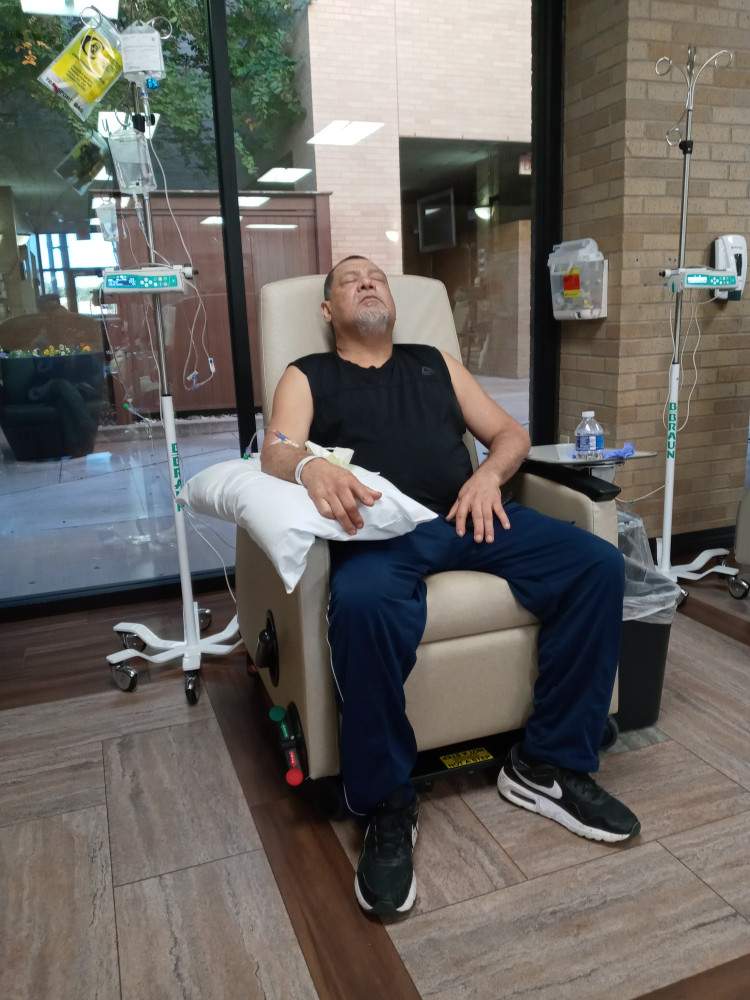
FOR RAYMOND LECHUGA JR.
We are writing asking for donations for Raymond because he has a rare condition called AL Amyloidosis and then another certain condition that sometimes comes along with it which is Multiple myeloma which is a form of cancer. He is also in Stage 4 kidney failure due to the AL Amyloidosis & the Multiple Myeloma. That's how the doctors started to figure out what was going on with him because his kidneys were starting to fail. Right now Raymond is having to go through Chemotherapy every week for a few months to see if his numbers get better as far as the Al Amyloidosis and Multiple Myeloma is concerned then he will have to have a Bone Marrow Transplant and we Pray to Our Good Lord that will put him into Remission. If not, he will have to start different kinds of therapy. We do know that his kidneys are damaged due to this. His cancer Dr informed us that the Pet Scan showed it's also in his heart, spleen, liver, stomach. He said it does not look like it's in his bones which is very good. He also said if he can get this into remission that most of his organs can go back to normal all except the kidneys because those have been damaged for awhile and the kidneys cannot regenerate. So we are asking if anyone can help out during this most difficult time, we would be so very grateful. He doesn't have any type of insurance and we're waiting on Social Security but that seems to be taking forever. He will have to have the bone marrow transplant in Dallas and stay there a few weeks. Prayers are Welcome too. God Bless each and everyone of you 🙏 🙏 Thank you.
Christina Lechuga
Kimi Lechuga
Johnathan Lechuga
This below is to explain what he has:
Al amyloidosis, also known as primary AL amyloidosis or light chain amyloidosis, is a rare disease characterized by the abnormal accumulation of amyloid protein in various organs and tissues throughout the body.
Causes:
Al amyloidosis occurs when plasma cells in the bone marrow produce abnormal proteins called immunoglobulin light chains (AL proteins). These proteins misfold and form insoluble deposits known as amyloid fibrils.
Symptoms:
The symptoms of al amyloidosis vary depending on the organs affected but may include:
Fatigue
Swelling in the legs, ankles, or feet
Shortness of breath
Heart failure
Kidney damage
Nerve damage (numbness, tingling, pain)
Gastrointestinal problems (diarrhea, constipation)
Diagnosis:
Al amyloidosis is diagnosed through a combination of tests, including: Blood tests to detect AL proteins, Urine tests, and Tissue biopsy to confirm the presence of amyloid deposits.
Treatment:
Treatment for al amyloidosis aims to reduce the production of AL proteins and prevent further organ damage. Options may include: Chemotherapy, Stem cell transplant, Medications to suppress the immune system, and Targeted therapies.
Prognosis:
The prognosis for al amyloidosis depends on factors such as the extent of organ involvement, age, and response to treatment. With early diagnosis and treatment, some patients may live for many years. However, the disease can be life-threatening if left untreated.
Additional Information:
Al amyloidosis is not contagious.
It is more common in older adults and people with certain blood disorders.
There is no cure for al amyloidosis, but treatments can help manage the symptoms and improve quality of life.
Multiple myeloma and amyloidosis begin the same way – in plasma cells, white blood cells that help your immune system. But multiple myeloma (MM) is a rare blood cancer while amyloidosis is a buildup of insoluble, elongated protein structures. A small number of people with MM also may have amyloidosis.
There can be an overlap of the two conditions. One type, light-chain amyloidosis, is closely related to multiple myeloma. About 10% of people diagnosed with MM will have light-chain amyloidosis at the time they are diagnosed. It's usually only found through a tissue biopsy. In other words, you won’t have symptoms.
Additionally, MM cells occur in the bone marrow and blood, while amyloidosis fibrils can affect organs like the heart, liver, and kidney.
Having these two diseases together – multiple myeloma and amyloidosis – can worsen your prognosis.
About 35,000 adults in the United States are diagnosed with MM each year. In multiple myeloma, the cancerous plasma cells grow and multiply. After a while, there’s no room left for the healthy plasma cells.
Plasma cells come from the spongy tissue inside your bones, called bone marrow. Plasma cells produce antibodies, which help fight infections. As the cancerous plasma cells grow and outnumber healthy cells, they produce proteins that can be harmful, instead of antibodies.
As the disease gets worse, it can cause:
Bone pain and broken bones
Confusion, fatigue, Infections, More thirst
Frequent urination
Loss of appetite, weight loss
Nausea
Weakness, numbness in the legs
AL Amyloidosis affects fewer than 20,000 people in the U.S. a year. It can affect many parts of the body at once (systemic), or only one part of the body (localized). Amyloidosis can damage tissues in your body. The disease can be serious and even life-threatening if it affects the organs, especially your heart. Amyloidosis can also affect your:
Kidneys
Liver
Spleen
Digestive tract
Central nervous system
Anyone can get amyloidosis, but up to 70% of people with the disease are men.






Please donate to comment.
{{dame(anonymous, user, donor_name)}} | {{curr(amount,'USD')}}
{{created_at_rel}}{{note}}